Warning to Avoid When Selecting an Assisted Living or Elderly Care Center
Business Name: BeeHive Homes of Crownridge Assisted Living & Memory Care
Address: 6919 Camp Bullis Rd, San Antonio, TX 78256
Phone: (210) 874-5996
BeeHive Homes of Crownridge Assisted Living & Memory Care
We are a small, 16 bed, assisted living home. We are committed to helping our residents thrive in a caring, happy environment.
6919 Camp Bullis Rd, San Antonio, TX 78256
Business Hours
Choosing an assisted living or elderly care center is among those decisions you feel in your stomach. It is part medical decision, part monetary commitment, and deeply emotional. Households often get to a community tour exhausted from caregiving, guilty about "putting mom somewhere," and under time pressure because something has already failed at home.
That combination is exactly what can trigger individuals to miss out on major warning signs.
I have actually walked families through this process for several years, in senior care settings that ranged from outstanding to frankly undesirable. The places that look polished in a pamphlet can feel extremely different on a Tuesday afternoon when staffing is brief and a resident needs assist to the bathroom. The obstacle is discovering to see previous marketing and into the day-to-day reality.
This guide focuses on genuine warnings I have actually enjoyed families ignore, and how to recognize them before you sign anything.
Why impressions are just the starting point
Most individuals judge assisted living neighborhoods by the lobby and the tourist guide. Marble floorings and fresh flowers can signify pride in the structure, however they tell you really little about the quality of elderly care.
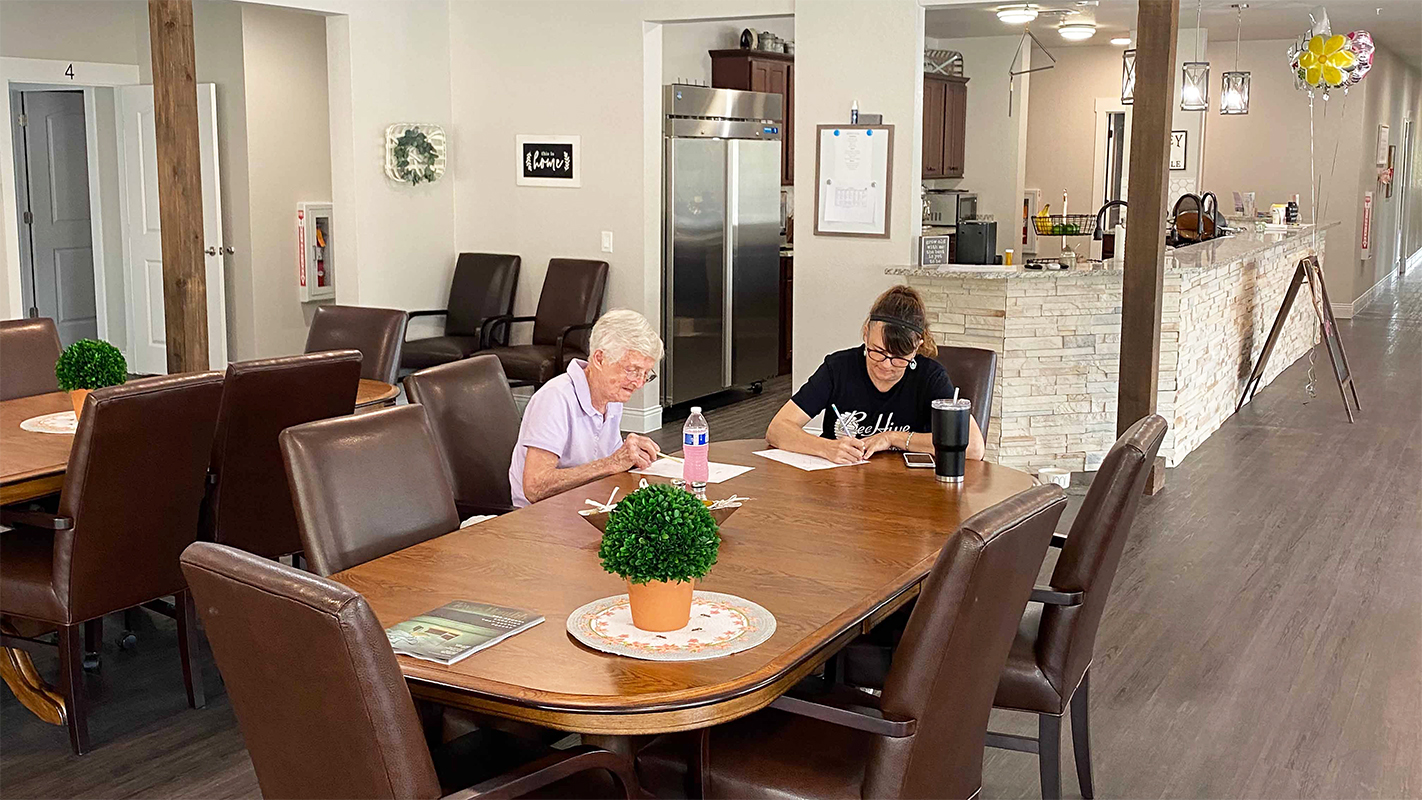
A better sign of how senior care is in fact provided is what you notice within ten minutes of remaining in resident locations, far from the sales workplace. When you walk down the hallway toward resident spaces, pause and utilize your senses.
Ask yourself:
- What do I hear? Call bells sounding constantly, people screaming for aid, staff speaking harshly, or a calm background noise level with ordinary conversation and activity.
- What do I see? Homeowners took part in something, or people slumped in wheelchairs along the walls, staring at the floor.
- What do I smell? Periodic smells are regular in any care setting. Persistent urine or feces smell in multiple corridors is not.
That initially sensory "scan" typically informs you more than a pamphlet full of amenities.
Quick photo of major red flags
If you desire a fast mental list, see carefully for these patterns throughout your visit.
- Staff prevent eye contact, seem rushed, or appear inflamed when homeowners request help.
- Residents look unkempt: dirty nails, the same clothes, visible stubble, matted hair.
- Strong, consistent smells of urine or feces in numerous locations, or heavy air freshener masking something.
- Vague or defensive responses when you inquire about staffing levels, falls, or complaints.
- High-pressure techniques to sign a contract or pay a deposit before you have time to examine details.
Any single concern might have a benign explanation. When you begin seeing two or 3 of these in the same facility, pay attention.
Staffing: the foundation of quality care
Buildings do not provide care, individuals do. If you remember one thing from this post, let it be this: the quality of assisted living and respite care depends greatly on who shows up for work and the number of of them there are.
Red flag: chronically thin staffing
Facilities will often state, "We staff to resident needs." That declaration by itself does not tell you much. What you are searching for is a pattern of:
- Call lights sounding for 10 minutes or longer without response.
- Only one caregiver covering a large corridor of locals who require help with mobility.
- Staff informing you quietly, "We are constantly brief" or "We are working a double once again."
There is no magic staffing ratio that fits every building, however if staff look fatigued and you repeatedly see a single person trying to move or toilet a a great deal of locals, care will be postponed, and security threats rise.
A simple test: ask a nurse or caregiver, "If my mom rings for assistance to the bathroom, what is your goal for response time?" Then, "On a hard day, what happens?" Evasive or joking answers like "When we get there" are not a great sign.
Red flag: consistent churn of caregivers and leadership
All senior care settings have turnover. The work is physically and emotionally demanding. What concerns me is a pattern where:
- The executive director modifications every few months.
- The nurse in charge of resident care is new and not familiar with existing residents.
- Front-line caregivers say, "I simply started" and can not yet describe citizens' routines.
When management is unstable, care procedures are often improperly implemented. Households might struggle to get constant answers about medication, care plans, or changes in condition. Facilities that buy training and treat staff with respect tend to keep people longer, which develops much better connection for residents.
Red flag: lack of training around dementia
Many residents in assisted living have some degree of dementia, even if the community is not formally labeled as memory care. Enjoy carefully how staff engage with baffled homeowners during your visit.
If you see someone with clear memory problems being scolded for repeating concerns, or told "We already informed you that" in a sharp tone, that tells you the center has not invested enough in dementia-specific training. Excellent dementia care requires patience, redirection, and a calm method. Poor training in this location can quickly spill into agitation, roaming, and unnecessary medication use.
Care practices you can see with your own eyes
Families typically ask whether a facility is "excellent." A much better question is, "What does a normal day look like for a resident who needs the very same level of aid that my member of the family needs?" The responses often reveal subtle but critical red flags.
Residents' look and grooming
You do not need a nursing degree to spot overlooked care. Take a look at numerous locals, not just the ones in the lobby.
If you frequently see food spots from previous meals, unbrushed hair, facial hair on individuals who normally shave, unclean or overgrown nails, or ill-fitting shoes or slippers that look hazardous, it suggests rushed or inconsistent early morning and evening care.
Keep in mind, some locals decrease aid or have strong preferences about clothes. A couple of people who look disheveled does not always show an issue. A pattern across many homeowners does.
How mobility and toileting are handled
Watch transfers, even from a range. Are caretakers utilizing gait belts when appropriate, or are they grabbing individuals by the arms? Does anybody attempt to rush an individual who is plainly unsteady?
Toileting is harder to observe directly, but you can presume a lot. Homeowners with soaked pants or urine odor around their clothes or wheelchair, frequent "mishaps" reported by personnel as if they are the resident's fault, or people noticeably distressed and holding themselves while awaiting aid, all mean missed out on toileting schedules or sluggish responses.
If your loved one is vulnerable to falls or needs aid to the bathroom during the night, insufficient assistance here is not a small problem. It is one of the greatest chauffeurs of avoidable hospitalizations from assisted living and elderly care communities.
Medical care, security, and what occurs during emergencies
Assisted living is not a healthcare facility, however it ought to still have clear systems for medical assistance, specifically for medication management and immediate events.
Red flag: disorderly medication management
Medication mistakes are sadly typical in senior care. What you wish to comprehend is how the facility limits those errors. Ask where medications are saved, how they are recorded, and who really hands them to residents.
If responses sound improvised, such as "We simply keep them in the room" for people who plainly can not self-manage, or you see medication carts left unlocked and unattended, that is a problem.
Listen for remarks such as "We assisted living facilities in san antonio will simply squash her meds and put them in food" used casually, without explanation. Medication alterations like that require doctor orders and careful documentation.
Red flag: uncertain response to falls or sudden illness
Ask particular, scenario-based concerns: "If my dad falls in his room at 10 p.m., just what occurs?" The facility should have the ability to walk you through:
- Who responds first, and how quickly.
- Who evaluates for injury.
- When they call 911 and when they call the on-call nurse or physician.
- How and when they alert family.
- How they document and evaluate the occurrence to reduce future risk.
If the answer is basically "We simply call 911," without proof of any internal evaluation or follow-up procedure, that suggests a reactive instead of proactive safety culture.
Red flag: absence of clear medical oversight
Ask who the medical director is, whether there are going to doctors or nurse practitioners, and how often they are on site. In some assisted living structures, outside companies visit weekly or biweekly. In others, households need to collaborate all physician care themselves.
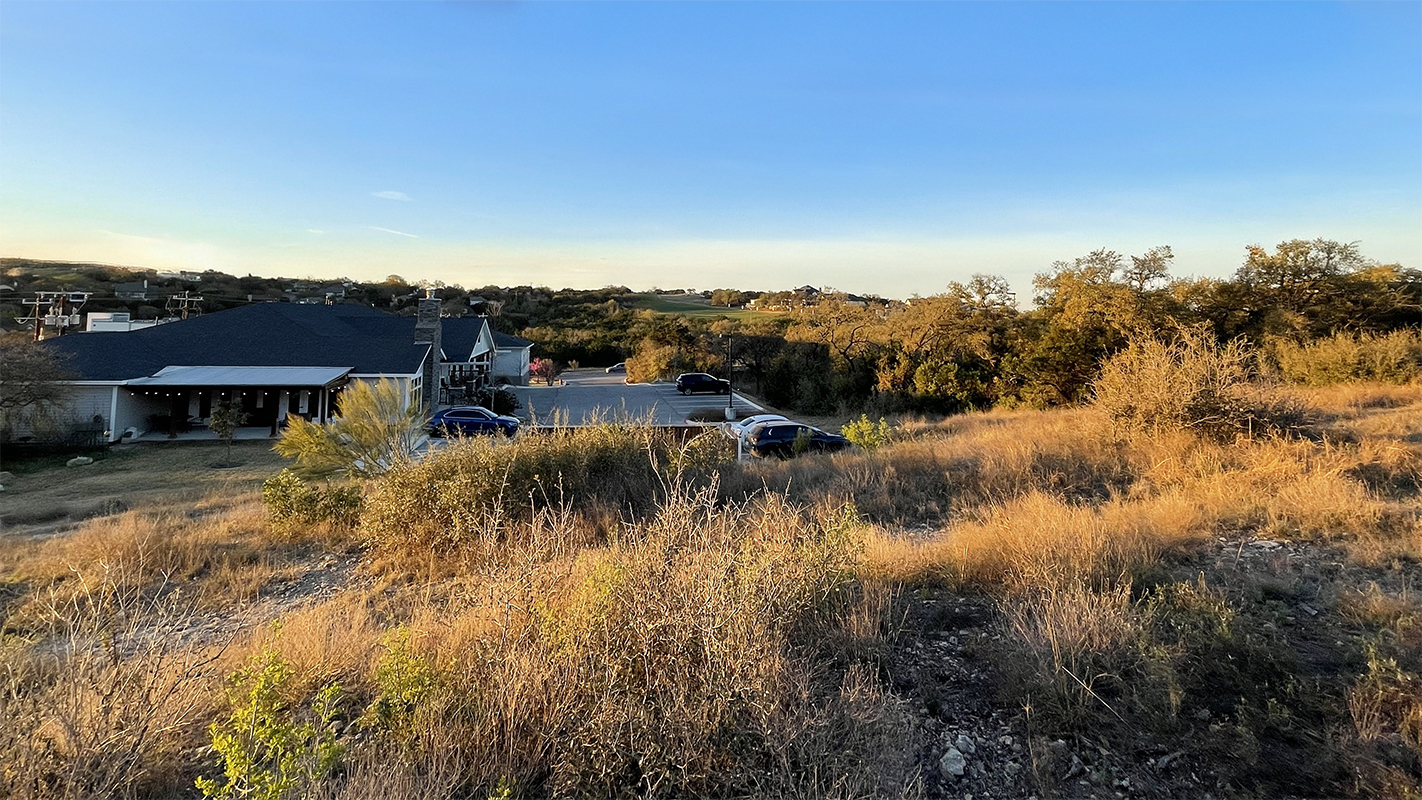
Neither design is inherently incorrect, however the center needs to be transparent. If staff seem unpredictable about which physicians see their residents, or can not tell you how a brand-new health problem would be interacted to the primary care company, coordination might be weak.
Culture, respect, and day-to-day life
Beyond security and medical care, pay close attention to how people treat one another. Culture is more difficult to quantify but easier to feel when you spend time in the building.
How personnel speak to residents
This is among the clearest signs of a facility's values. Listen for:
- Staff utilizing homeowners' favored names and speaking with them at eye level, not towering over them.
- Explanations before touching someone, such as "Mrs. Johnson, I am going to help you stand now."
- Inclusion of residents in conversations about their care.
Red flags consist of baby talk ("We are going potty now"), sarcasm, staff discussing homeowners as if they are not present, or openly grumbling about residents where others can hear.
How disputes and problems are handled
Every senior care community will have misconceptions, lost laundry, missed out on showers, or unpleasant interactions eventually. The genuine question is how the facility reacts when families or homeowners speak up.
If you hear citizens state, "It does no good to complain," or personnel roll their eyes when you ask what occurs with complaints, believe thoroughly. Ask to see the written complaint policy. In a well-run facility, management invites feedback, files it, and explains what they will do to attend to patterns.
Engagement and activities that feel genuine, not staged
Many trips highlight the activity calendar on the wall. A long list of events looks remarkable, but it just matters if homeowners in fact get involved and delight in them.
Look into activity rooms quietly if you can. Are there actually individuals there, or is the space empty while the calendar declares a program is taking place? Do homeowners with mobility or cognitive concerns get help to participate in, or are just the most independent individuals present?
A severe red flag is a center where days appear to pass with citizens asleep in front of a television for hours. Occasional rest is normal. A culture of relentless inactivity causes quicker decline, anxiety, and loss of practical ability.
Respite care: the very same standards, even if the stay is short
Families sometimes let their guard down when choosing respite care since the stay is short. The reasoning goes, "It is just for a week while I recover from surgical treatment" or "We just require coverage throughout our trip." I have actually seen people accept lower requirements for respite that they would never endure for full-time senior care.
The fact is, a lot of threats do not care whether the stay is seven days or 7 months. Falls, medication errors, unmanaged discomfort, or poor infection control can all take place throughout brief stays.
Respite visitors are specifically vulnerable since staff are still learning more about them. That makes comprehensive evaluation and interaction a lot more crucial, not less. A center that deals with respite as an inconvenience tends to cut corners:
- Incomplete admission assessments.
- Poor handoff in between day and night shift about specific needs.
- Little attempt to incorporate the person into activities or the dining room.
Ask clearly, "How do you deal with respite locals differently from irreversible homeowners?" If the response focuses only on documents and payment differences, without explaining how they get oriented and supported, consider that a caution sign.
The financial and contractual traps to enjoy for
Families are frequently so focused on care quality that they skim over the contract. That is exactly where some of the most severe red flags hide.
Vague care "levels" and shock charge escalation
Most assisted living and elderly care neighborhoods divide services into care levels or point systems. The base rate may look affordable, however almost every meaningful sort of assistance, from medication suggestions to escorts to meals, might add monthly charges.
Red flags include:
- Vague language like "Care requires subject to alter at management discretion" without clear criteria.
- Short evaluation cycles, such as regular monthly reassessments, that may cause frequent increases.
- Charges for common, foreseeable requirements that were not mentioned on the tour, such as incontinence materials handling.
Ask for written descriptions of what each care level includes, and examine them line by line with your family member's actual requirements in mind. If sales personnel lessen the possibility of going up levels even when you explain significant care requirements, be skeptical.
Punitive move-out or deposit policies
Read thoroughly for:
- Long notification periods required before move-out.
- Non-refundable community charges that are really high relative to market standards in your area.
- Automatic arbitration stipulations that limit your right to pursue legal action in case of severe neglect.
A center that is confident in its quality of senior care usually does not need to lock families in with aggressively restrictive terms. You should not feel trapped economically if the positioning ends up being a bad fit.
Questions and files that reveal covert problems
You do not need to question staff, but a couple of targeted concerns and documents can expose an unexpected amount about a center's track record.

Consider asking:
- "Can you share your latest state examination report, and what you did to resolve any shortages?"
- "Have you had any substantiated complaints in the last 2 years? What were they about, and what changed after that?"
- "What is your existing staff turnover rate for caregivers and nurses?"
- "The number of locals have you sent to the medical facility in the last month, and what were the most common factors?"
For documents, request or evaluation:
- The full resident agreement or contract.
- The newest survey or evaluation report from the state or licensing body.
- The grievance policy.
- Sample care plan, with recognizing details removed.
- The activity calendar for the last two months, not just the present one.
If personnel think twice, stall, or supply greatly modified details, that defensiveness itself is significant.
When a red flag might not be a deal-breaker
Real facilities are untidy. Even excellent neighborhoods have days when things are off. I have actually seen families leave solid senior care choices since of one poor interaction during a visit, and I have seen others neglect glaring patterns because the area was convenient.
Context matters.
An occasional urine odor near a resident's space right after a toileting accident, rapidly resolved, is normal. A center with warm, steady personnel and strong interaction may be a much better option even if the building is older or less glamorous. A new building with luxury finishes and low tenancy can feel peaceful and well perform at first, yet battle later on with staffing once again citizens move in.
Ask yourself:
- Is this concern isolated to one staff member or location, or do I see it repeated in different parts of the building?
- Does leadership acknowledge problems freely and describe their strategy to enhance, or do they decrease whatever I raise?
- If my loved one declined in function or cognition, would this center still be safe and considerate for them?
Sometimes, the best option is not the "perfect" facility, however the one where the strengths align finest with your family member's particular priorities, and the risks are transparent and manageable.
Giving yourself consent to stroll away
Many households feel guilty about rejecting a center, particularly if staff have gotten along or they have actually currently invested time in the process. Keep in mind, this is a business arrangement, not a favor. You are buying a vital service with your cash, your trust, and your loved one's wellbeing.
If your impulses inform you that something is incorrect, you are enabled to pause. You are permitted to ask for a 2nd visit at a various time of day, ask to talk to the nurse rather than the sales director, or bring another member of the family or relied on professional to see what you may have missed.
And if the warnings stack up, you are allowed to state, "Thank you for your time, however this is not the best suitable for us," and keep looking. The short-term pain of starting over is far less painful than trying to untangle a crisis after a bad placement.
Selecting an assisted living or elderly care facility is never basic, however cautious attention to these warning signs can help you prevent the most major risks. Prioritize what truly matters: safe, considerate, constant care, provided by individuals who know and value your relative as an individual, not a space number. The glossy facilities are optional. Self-respect and security are not.
BeeHive Homes of Crownridge Assisted Living has license number of 307787
BeeHive Homes of Crownridge Assisted Living is located at 6919 Camp Bullis Road, San Antonio, TX 78256
BeeHive Homes of Crownridge Assisted Living has capacity of 16 residents
BeeHive Homes of Crownridge Assisted Living offers private rooms
BeeHive Homes of Crownridge Assisted Living includes private bathrooms with ADA-compliant showers
BeeHive Homes of Crownridge Assisted Living provides 24/7 caregiver support
BeeHive Homes of Crownridge Assisted Living provides medication management
BeeHive Homes of Crownridge Assisted Living serves home-cooked meals daily
BeeHive Homes of Crownridge Assisted Living offers housekeeping services
BeeHive Homes of Crownridge Assisted Living offers laundry services
BeeHive Homes of Crownridge Assisted Living provides life-enrichment activities
BeeHive Homes of Crownridge Assisted Living is described as a homelike residential environment
BeeHive Homes of Crownridge Assisted Living supports seniors seeking independence
BeeHive Homes of Crownridge Assisted Living accommodates residents with early memory-loss needs
BeeHive Homes of Crownridge Assisted Living does not use a locked-facility memory-care model
BeeHive Homes of Crownridge Assisted Living partners with Senior Care Associates for veteran benefit assistance
BeeHive Homes of Crownridge Assisted Living provides a calming and consistent environment
BeeHive Homes of Crownridge Assisted Living serves the communities of Crownridge, Leon Springs, Fair Oaks Ranch, Dominion, Boerne, Helotes, Shavano Park, and Stone Oak
BeeHive Homes of Crownridge Assisted Living is described by families as feeling like home
BeeHive Homes of Crownridge Assisted Living offers all-inclusive pricing with no hidden fees
BeeHive Homes of Crownridge Assisted Living has a phone number of (210) 874-5996
BeeHive Homes of Crownridge Assisted Living has an address of 6919 Camp Bullis Rd, San Antonio, TX 78256
BeeHive Homes of Crownridge Assisted Living has a website https://beehivehomes.com/locations/san-antonio/
BeeHive Homes of Crownridge Assisted Living has Google Maps listing https://maps.app.goo.gl/YBAZ5KBQHmGznG5E6
BeeHive Homes of Crownridge Assisted Living has Facebook page https://www.facebook.com/sweethoneybees
BeeHive Homes of Crownridge Assisted Living has Instagram https://www.instagram.com/sweethoneybees19
BeeHive Homes of Crownridge Assisted Living won Top Assisted Living Homes 2025
BeeHive Homes of Crownridge Assisted Living earned Best Customer Service Award 2024
BeeHive Homes of Crownridge Assisted Living placed 1st for Senior Living Communities 2025
People Also Ask about BeeHive Homes of Crownridge Assisted Living
What is BeeHive Homes of Crownridge Assisted Living monthly room rate?
Our monthly rate depends on the level of care your loved one needs. We begin by meeting with each prospective resident and their family to ensure we’re a good fit. If we believe we can meet their needs, our nurse completes a full head-to-toe assessment and develops a personalized care plan. The current monthly rate for room, meals, and basic care is $5,900. For those needing a higher level of care, including memory support, the monthly rate is $6,500. There are no hidden costs or surprise fees. What you see is what you pay.
Can residents stay in BeeHive Homes of Crownridge Assisted Living until the end of their life?
Usually yes. There are exceptions such as when there are safety issues with the resident or they need 24 hour skilled nursing services.
Does BeeHive Homes of Crownridge Assisted Living have a nurse on staff?
Yes. Our nurse is on-site as often as is needed and is available 24/7.
BeeHive Homes of Crownridge Assisted Living & Memory Care has license number of 307787
BeeHive Homes of Crownridge Assisted Living & Memory Care is located at 6919 Camp Bullis Road, San Antonio, TX 78256
BeeHive Homes of Crownridge Assisted Living & Memory Care has capacity of 16 residents
BeeHive Homes of Crownridge Assisted Living & Memory Care offers private rooms
BeeHive Homes of Crownridge Assisted Living & Memory Care includes private bathrooms with ADA-compliant showers
BeeHive Homes of Crownridge Assisted Living & Memory Care provides 24/7 caregiver support
BeeHive Homes of Crownridge Assisted Living & Memory Care provides medication management
BeeHive Homes of Crownridge Assisted Living & Memory Care serves home-cooked meals daily
BeeHive Homes of Crownridge Assisted Living & Memory Care offers housekeeping services
BeeHive Homes of Crownridge Assisted Living & Memory Care offers laundry services
BeeHive Homes of Crownridge Assisted Living & Memory Care provides life-enrichment activities
BeeHive Homes of Crownridge Assisted Living & Memory Care is described as a homelike residential environment
BeeHive Homes of Crownridge Assisted Living & Memory Care supports seniors seeking independence
BeeHive Homes of Crownridge Assisted Living & Memory Care accommodates residents with early memory-loss needs
BeeHive Homes of Crownridge Assisted Living & Memory Care does not use a locked-facility memory-care model
BeeHive Homes of Crownridge Assisted Living & Memory Care partners with Senior Care Associates for veteran benefit assistance
BeeHive Homes of Crownridge Assisted Living & Memory Care provides a calming and consistent environment
BeeHive Homes of Crownridge Assisted Living & Memory Care serves the communities of Crownridge, Leon Springs, Fair Oaks Ranch, Dominion, Boerne, Helotes, Shavano Park, and Stone Oak
BeeHive Homes of Crownridge Assisted Living & Memory Care is described by families as feeling like home
BeeHive Homes of Crownridge Assisted Living & Memory Care offers all-inclusive pricing with no hidden fees
BeeHive Homes of Crownridge Assisted Living & Memory Care has a phone number of (210) 874-5996
BeeHive Homes of Crownridge Assisted Living & Memory Care has an address of 6919 Camp Bullis Rd, San Antonio, TX 78256
BeeHive Homes of Crownridge Assisted Living & Memory Care has a website https://beehivehomes.com/locations/san-antonio/
BeeHive Homes of Crownridge Assisted Living & Memory Care has Google Maps listing https://maps.app.goo.gl/YBAZ5KBQHmGznG5E6
BeeHive Homes of Crownridge Assisted Living & Memory Care has Facebook page https://www.facebook.com/sweethoneybees
BeeHive Homes of Crownridge Assisted Living & Memory Care has Instagram https://www.instagram.com/sweethoneybees19
BeeHive Homes of Crownridge Assisted Living & Memory Care won Top Assisted Living Homes 2025
BeeHive Homes of Crownridge Assisted Living & Memory Care earned Best Customer Service Award 2024
BeeHive Homes of Crownridge Assisted Living & Memory Care placed 1st for Senior Living Communities 2025
People Also Ask about BeeHive Homes of Crownridge Assisted Living & Memory Care
What is BeeHive Homes of Crownridge Assisted Living & Memory Care monthly room rate?
Our monthly rate depends on the level of care your loved one needs. We begin by meeting with each prospective resident and their family to ensure we’re a good fit. If we believe we can meet their needs, our nurse completes a full head-to-toe assessment and develops a personalized care plan. The current monthly rate for room, meals, and basic care is $5,900. For those needing a higher level of care, including memory support, the monthly rate is $6,500. There are no hidden costs or surprise fees. What you see is what you pay.
Can residents stay in BeeHive Homes of Crownridge Assisted Living & Memory Care until the end of their life?
Usually yes. There are exceptions such as when there are safety issues with the resident or they need 24 hour skilled nursing services.
Does BeeHive Homes of Crownridge Assisted Living & Memory Care have a nurse on staff?
Yes. Our nurse is on-site as often as is needed and is available 24/7.
What are BeeHive Homes of Crownridge Assisted Living & Memory Care visiting hours?
Normal visiting hours are from 10am to 7pm. These hours can be adjusted to accommodate the needs of our residents and their immediate families.
Do we have couple’s rooms available?
At BeeHive Homes of Crownridge Assisted Living & Memory Care, all of our rooms are only licensed for single occupancy but we are able to offer adjacent rooms for couples when available. Please call to inquire about availability.
What is the State Long-term Care Ombudsman Program?
A long-term care ombudsman helps residents of a nursing facility and residents of an assisted living facility resolve complaints. Help provided by an ombudsman is confidential and free of charge. To speak with an ombudsman, a person may call the local Area Agency on Aging of Bexar County at 1-210-362-5236 or Statewide at the toll-free number 1-800-252-2412. You can also visit online at https://apps.hhs.texas.gov/news_info/ombudsman.
Are all residents from San Antonio?
BeeHive Homes of Crownridge Assisted Living & Memory Care provides options for aging seniors and peace of mind for their families in the San Antonio area and its neighboring cities and towns. Our senior care home is located in the beautiful Texas Hill Country community of Crownridge in Northwest San Antonio, offering caring, comfortable and convenient assisted living solutions for the area. Residents come from a variety of locales in and around San Antonio, including those interested in Leon Springs Assisted Living, Fair Oaks Ranch Assisted Living, Helotes Assisted Living, Shavano Park Assisted Living, The Dominion Assisted Living, Boerne Assisted Living, and Stone Oaks Assisted Living.
Where is BeeHive Homes of Crownridge Assisted Living & Memory Care located?
BeeHive Homes of Crownridge Assisted Living & Memory Care is conveniently located at 6919 Camp Bullis Rd, San Antonio, TX 78256. You can easily find directions on Google Maps or call at (210) 874-5996 Monday through Sunday 9am to 5pm.
How can I contact BeeHive Homes of Crownridge Assisted Living & Memory Care?
You can contact BeeHive Homes of Crownridge Assisted Living & Memory Care by phone at: (210) 874-5996, visit their website at https://beehivehomes.com/locations/san-antonio/,or connect on social media via Facebook or Instagram
Visiting the Friedrich Wilderness Park grants peace and fresh air making it a great nearby spot for elderly care residents of BeeHive Homes of Crownridge to enjoy gentle nature walks or quiet outdoor time